Order Content

Energy Losses and Differences from Fossil Fuels

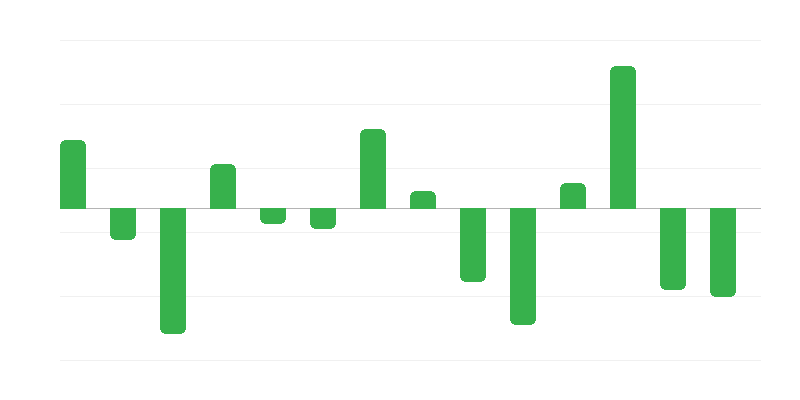
Energy Losses and Differences from Fossil Fuels – Chart

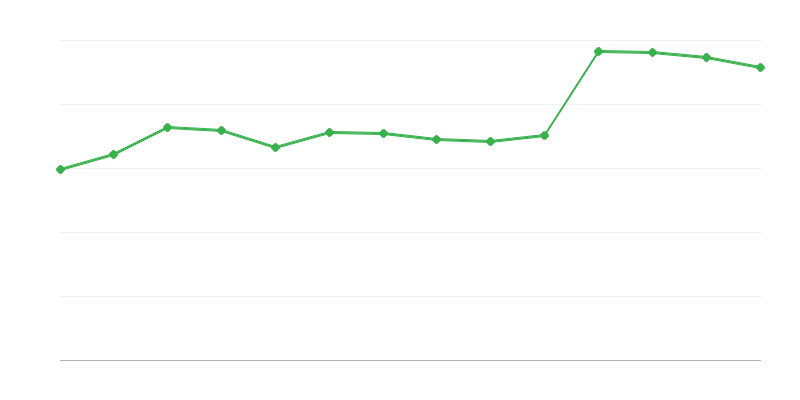
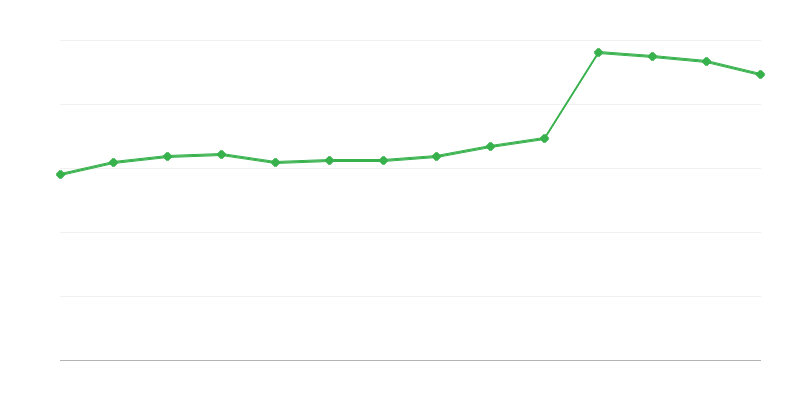
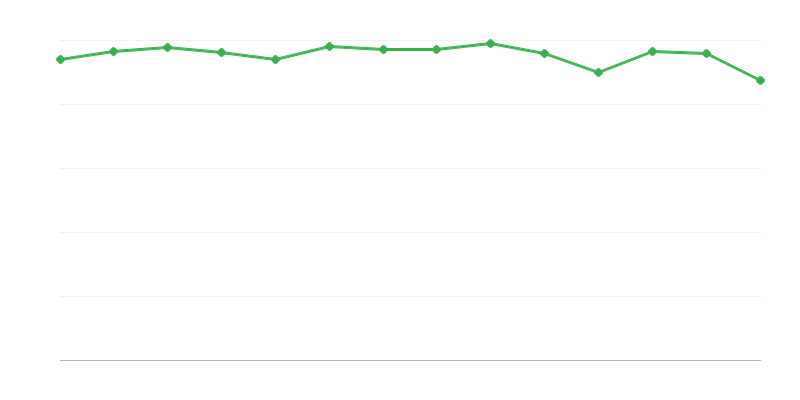
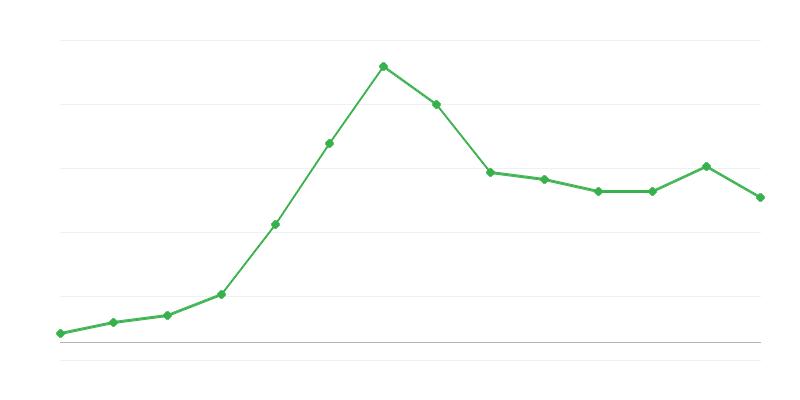
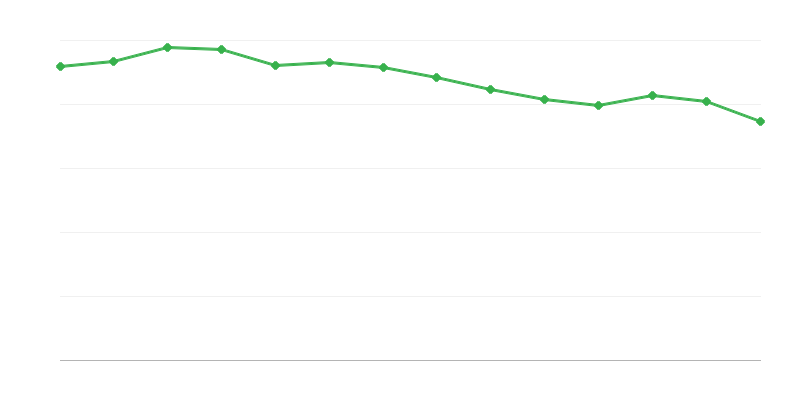
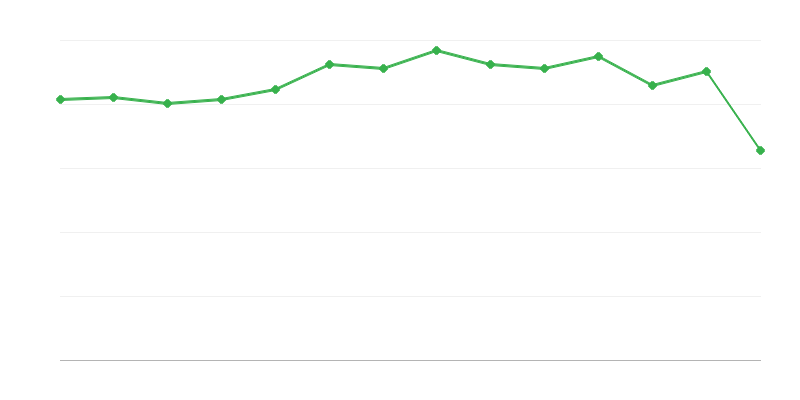
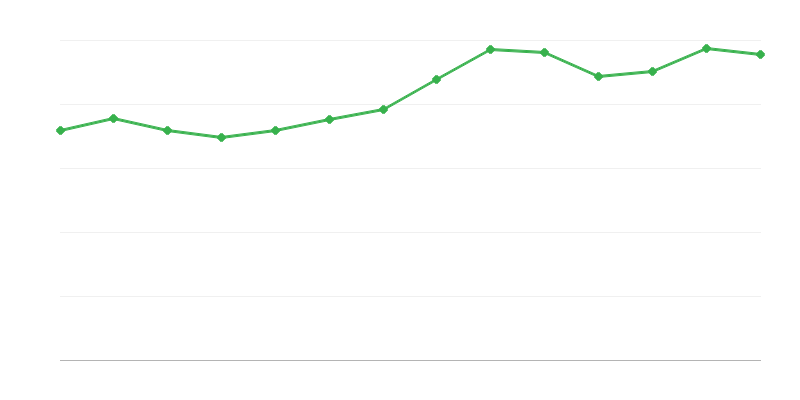
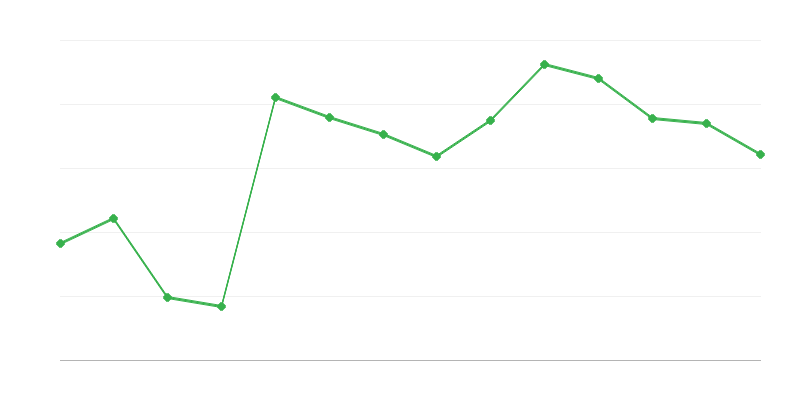
Losses and differences in energy balances from fossil fuels in Poland (GWh)
Rok
Source: Statistical Office in Rzeszów
Prepared by

Embed Code

Options

Chart type

Data

Chart overview

The current value of losses and differences in energy balances from fossil fuels in Poland is 17,699.8 GWh, representing an increase of 8.2% compared to the previous period.

About the study

Study title: Fuel and Energy Balances

The aim of the study is to provide necessary information to monitor the situation regarding energy security and environmental protection, energy carrier price levels, assess the energy intensity of the economy, increase the efficiency of fuel and energy use, and enable the development of forecasts for energy carrier demand, energy policy project assumptions, inventory of atmospheric pollution emissions from energy and transport sources. It also ensures data for the system of integrated environmental economic accounts, and the development of national fuel-energy balances.
Definitions

Losses and Balance Differences of Energy Carriers

The magnitude includes 'transport and storage losses' and 'balance differences' for various energy carriers. These losses arise from differences in the size of their supply and consumption. They do not include losses at end-users, which are considered as direct consumption. This magnitude is calculated by the formula: S = Ep-U, where: S = losses and balance differences, Ep = primary energy, U = energy obtained.

How we process data

  1. We collect data directly from official government sources, most often via an API provided by the relevant statistical office. For this purpose, we use proprietary algorithms that retrieve and aggregate all information into our database.
  2. We standardize and clean the data for better analysis and readability. We remove unnecessary elements and adjust the structure to a unified format, which ensures consistency between different data sets. This enables visual interpretation of statistics as well as comparative analysis — both by humans and analytical systems (including artificial intelligence).
  3. We verify the information and design an interactive chart. We aim to make the information transparent and easy to understand, so we start with a presentation of general indicators that serve as a starting point for deeper data exploration. The user can then dive into the details using interactive chart features. We do not interfere with the content or meaning of the data — our role is solely to organize and facilitate access to the information.
  4. We create metadata and translate the chart into other languages. Each chart is supplemented with sources, survey details, and other information provided by the data supplier. We also use our own AI models to generate a short summary of the chart. Finally, we translate the content and publish the charts on 47 international Content Writer websites to share valuable information with the world.
  5. We regularly update and expand the data. Our scripts "listen" to data providers’ websites and retrieve the latest information as soon as updates appear. We then recreate the chart summary to reflect recent changes. The update is published, and interested users are informed about the current trend.

The data is processed by Content Writer — a limited liability company based in Poland — as part of the independent WorldIndex project. The initiative’s goal is to provide free access to current public data for analyzing trends and better understanding the world.

We also offer commercial access to the WorldIndex API, which provides direct access to data via an API. This allows companies, organizations, and individual users to integrate a real-time information stream into their applications, analytical systems, or AI models.

Data source

Data provider: Statistical Office in Rzeszów.

The presented information comes from the Domain Knowledge Bases (DBW), maintained by the Polish Central Statistical Office (GUS) and made available under the CC BY 4.0 license.

The chart retrieves data in real time from the DBW API to ensure the most up-to-date and reliable information possible.

If you have detailed questions about the study, we encourage you to contact the data provider directly.

Embed this chart on your site

Use reliable and regularly updated data sources.

<iframe src="https://contentwriter.com.ph/worldindex/poland/environment/energy/energy-losses-and-differences-from-fossil-fuels/?template=embed-chart" width="100%" height="750" frameborder="0" style="border: none;"></iframe>

Chart status

Verified

The chart was manually prepared and approved by our data analysts.

Up-to-date

The chart is connected to the data source, ensuring instant updates.

Available via API

You can use the above data in your applications via the Polish API data.

Understand the World Better

Subscribe to WorldIndex for Free

    Develop content faster than your competitors.